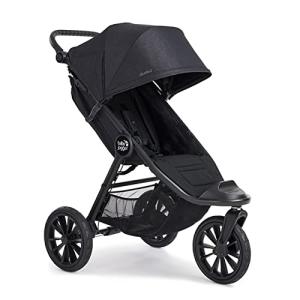
The Ultimate Guide to Choosing and Using a Push Pram
Push prams, frequently understood as strollers or pushchairs, are vital tools for moms and dads and caretakers, offering a hassle-free way to transport infants and young children. With the variety of alternatives available on the market, choosing the best push pram can be an overwhelming job. This guide aims to notify readers about the various types of push prams, important functions to consider, pointers on use, and an FAQ section to deal with common questions.
Types of Push Prams
When shopping for a push pram, it's crucial to comprehend the various designs readily available. The following table describes the primary types of push prams and their unique attributes:
| Type | Description | Pros | Cons |
|---|---|---|---|
| Full-Size Pram | A large, robust stroller appropriate for babies to toddlers | Uses comfort and storage; frequently has extra functions | Bulky and may be tough to navigate in tight spaces |
| Light-weight Stroller | A compact and easy-to-carry stroller | Easy to steer and travel with; often foldable | May absence cushioning and storage area |
| Travel System | Consists of a stroller and a baby safety seat | Practical transition from automobile to stroller | Typically more expensive |
| Jogging Stroller | Developed for active moms and dads who run or jog | Boosted stability and shock absorption | Heavier and less compact |
| Double Pram | Developed for two children, either side-by-side or tandem | Functional for families with twins or brother or sisters | Can be large and harder to browse |
| Convertible Pram | Changes to different modes (e.g., infant car seat, stroller) | Versatile for different ages and needs | May be more expensive and intricate |
Essential Features to Consider
When choosing a push pram, consider the following functions:
- Safety Features: Look for a stroller with a five-point harness, reliable brakes, and a tough frame to guarantee your child's security.
- Weight and Portability: If you plan to use public transport or have actually restricted storage area, a light-weight and foldable model may be ideal.
- Comfort: Adequate padding, adjustable seats, and a canopy for shade add to your kid's convenience.
- Storage: An ample storage basket can be a lifesaver for carrying diaper bags, snacks, and individual items.
- Maneuverability: Swivel wheels can help with tight turns and crowded areas, while locking wheels provide stability when required.
- Adjustable Handles: Ideal for parents of differing heights, adjustable handles guarantee comfy pushing.
Table 2: Key Features and Their Benefits
| Feature | Advantages |
|---|---|
| Five-Point Harness | Keeps your child securely in location |
| Swivel Wheels | Offers simple maneuverability in difficult situations |
| Adjustable Canopy | Supplies defense from sun and rain |
| Storage Basket | Practical space for carrying basics |
| Recline Function | Allows the child to sleep comfortably |
Tips for Using a Push Pram
Utilizing a push pram efficiently can significantly improve the experience for both the caretaker and the kid. Here are some essential pointers:
- Always Secure Your Child: Ensure the safety belt is secured each time you utilize the pram.
- Inspect the Pram: Before each outing, inspect the pram for any wear or damage, specifically tires and brakes.
- Utilize the Storage Wisely: Distribute weight uniformly in the storage basket to preserve balance and prevent tipping.
- Adapt to Terrain: Adjust your driving style based on the surface; for example, joggers are developed for rough surfaces, while light-weight strollers are best for smooth paths.
- Practice Folding: Familiarize yourself with how the pram folds and unfolds to make travel simpler.
- Stay Aware: Always preserve awareness of your surroundings, specifically in congested or hectic areas.
Often Asked Questions (FAQ)
1. What age can my baby start using a push pram?
Most push prams can be utilized from birth if they have a fully reclining seat. Usually, it's recommended to wait up until your baby is at least 6 months old if using a stroller without complete recline.
2. How do I tidy my push pram?
Inspect the producer's instructions, but typically, you can clean down the frame with a moist fabric. The fabric covers are often detachable and maker washable.
3. Can I use a push pram for twins?
Yes, double prams are particularly designed for 2 kids. Guarantee it fits your children's size which both seats are comfortable and safe.
4. Is it safe to jog with a running stroller?
Yes, jogging strollers are developed for security, but constantly follow the maker's standards for use. www.pushchairsandprams.uk include features like wrist straps and fixed front wheels for stability.
5. How much should I invest on a push pram?
The price of a push pram can differ substantially. Invest based upon your requirements and budget, however remember that in some cases, purchasing a quality stroller can be much safer and more resilient in the long run.
6. Exist light-weight options for older kids?
Yes, there are lightweight strollers created for older young children and young children. These often include greater weight limitations and are easier to transfer.
Picking the right push pram is an individual process influenced by a caregiver's way of life, budget, and particular needs. By understanding the different types available, their key features, and how to use them successfully, moms and dads can make informed choices that boost their daily experiences. Investing time into discovering the perfect push pram will contribute to more secure, more enjoyable trips with your youngster.